
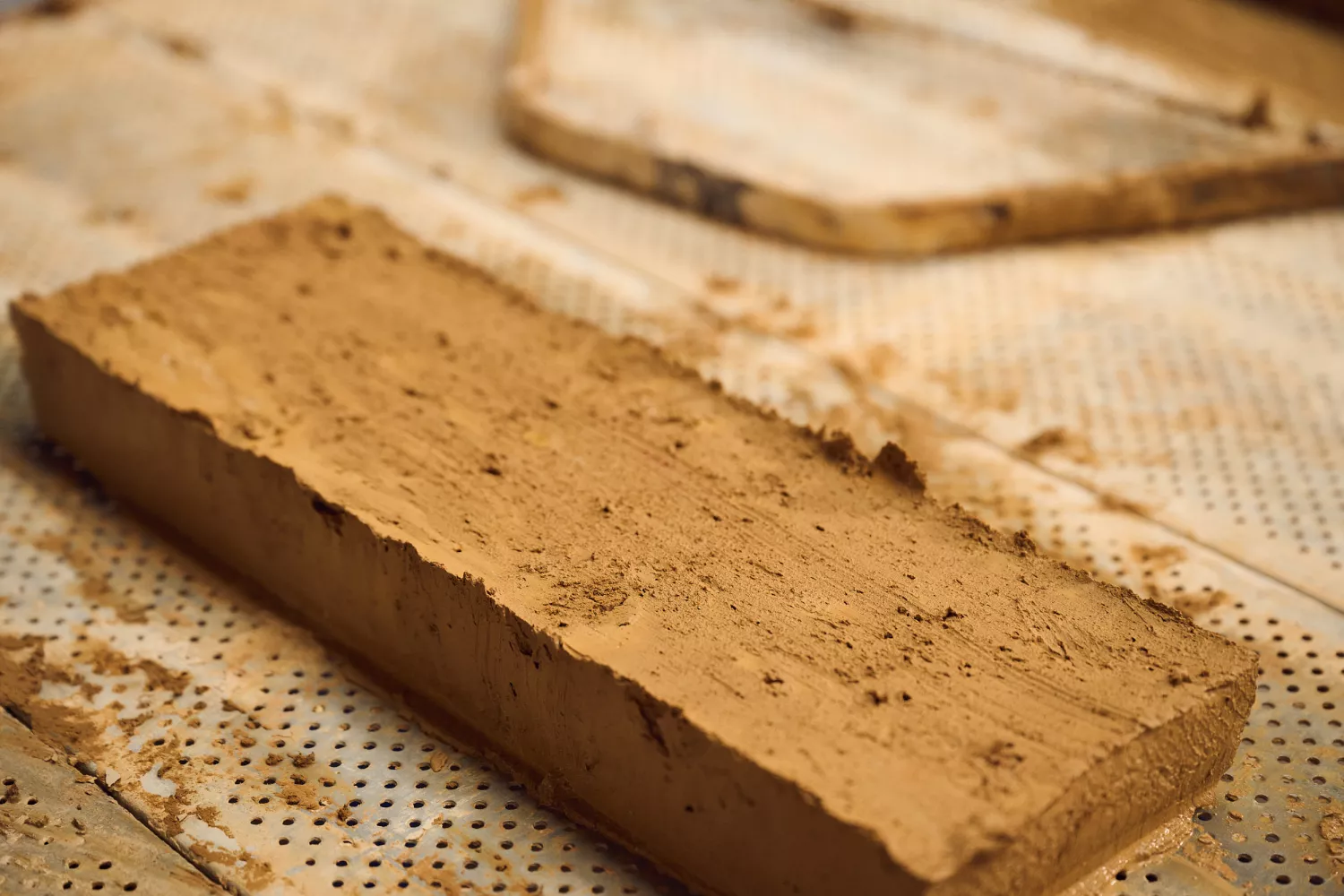
The impact of water absorption on façade ageing: an underestimated difference
Building a beautiful façade is one thing. How that façade behaves over the years is at least as decisive. One of the less visible factors in that is water absorption. It seems a rather technical detail that rarely takes centre stage, yet it has a considerable influence on how much, or how little, a façade ages.
Lower porosity, better preserved appearance
Rainwater itself is rarely the problem. What matters are the particles the water carries with it: dust, minerals and organic material. When those can lodge in the structure of a brick, discolouration, efflorescence or algae growth develops over time.
How strongly that effect occurs depends largely on the porosity of the brick, and therefore on its water absorption.
In traditionally produced bricks, moisture, along with the particles it carries, can penetrate the brick relatively easily. At Joseph Bricks, our bricks have a deliberately reduced porosity, below 8%. At first glance that difference looks small, but in practice it translates into noticeably different behaviour of the façade over the years.
A highly efficient production process
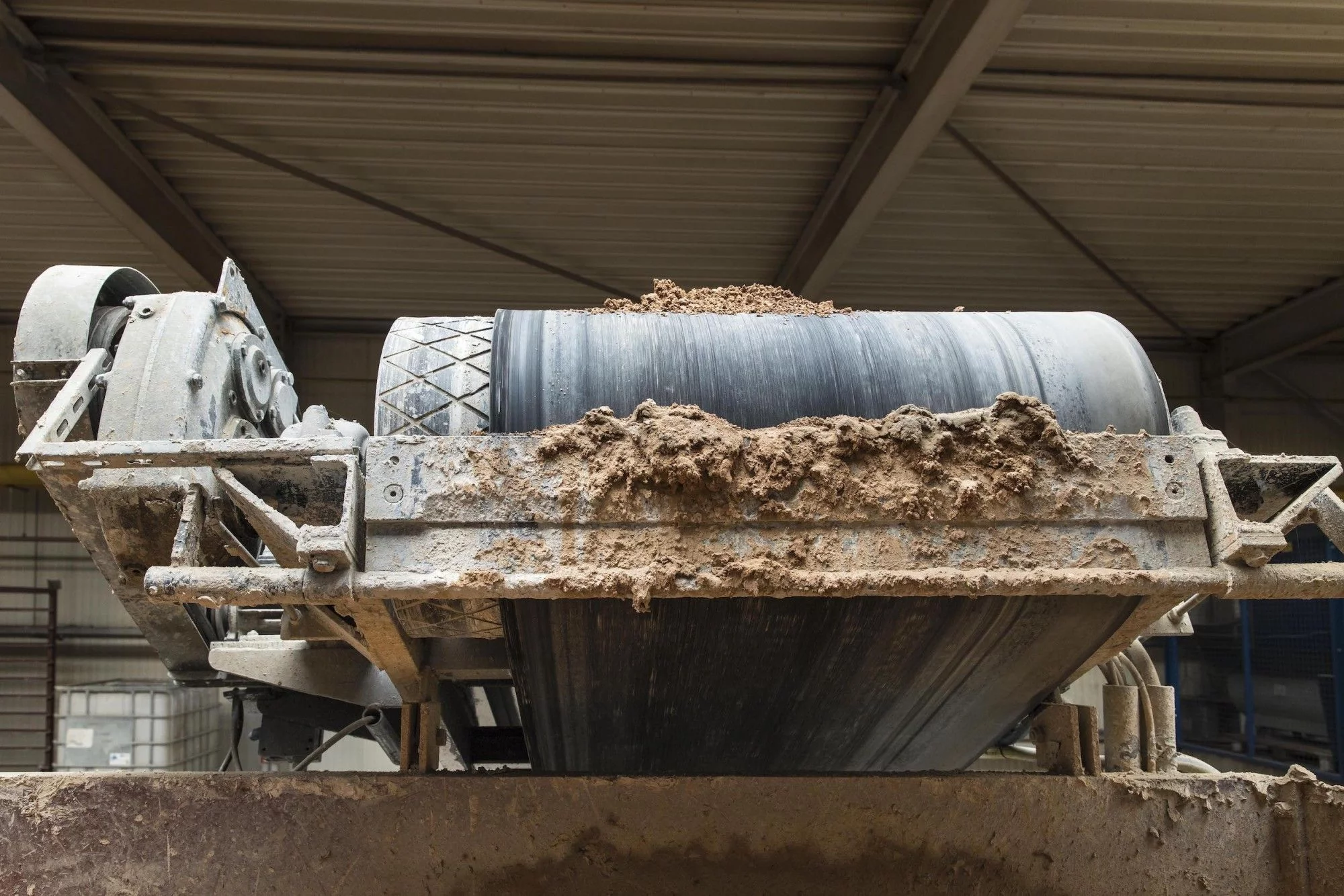
The explanation lies in the production process. The Westerwald clay we use is fired and smoked in a single continuous cycle, at high temperatures at which free components are bound as fully as possible. What remains is a compact, thoroughly fired brick with a dense outer skin and few loose particles.
That structure means water penetrates less easily and stays mainly at the surface. And precisely because of that, dirt particles, algae or salts have less chance to lodge in the brick itself.
Tested and proven in practice
That does not mean a façade is immune to its surroundings. It does mean that the pace and the way in which ageing becomes visible can be fundamentally different. That difference matters especially in settings with dense planting or shade, where moisture lingers longer.
This was also tested in practice at a house in Zutendaal, where samples were left outdoors under a tree for several months, exposed to wind and weather. The observation afterwards was simple: there was little to no visible change compared with the original condition.
Faultless laying
Low water absorption has no negative effect on laying, either. The bricks remain suitable for a proper bond with mortar, so that technical workability and durability come together.
Water absorption is not a visible characteristic. But it is one of the parameters that help determine how a façade behaves in the long term, and how close it stays to its original expression.
Ready to choose for the long term?
Then we are sure we can interest you in our collections of façade bricks and brick slips, available in many formats, or in our custom handmade bricks. Beautiful today, and still beautiful many years from now.
Find some inspiration with our façade brick configurator. Would you like to know more? Get in touch with any questions, or to arrange a visit.